
Casey Joiner's Familial Mythologies
By Jonah Goldman Kay
August 18, 2026
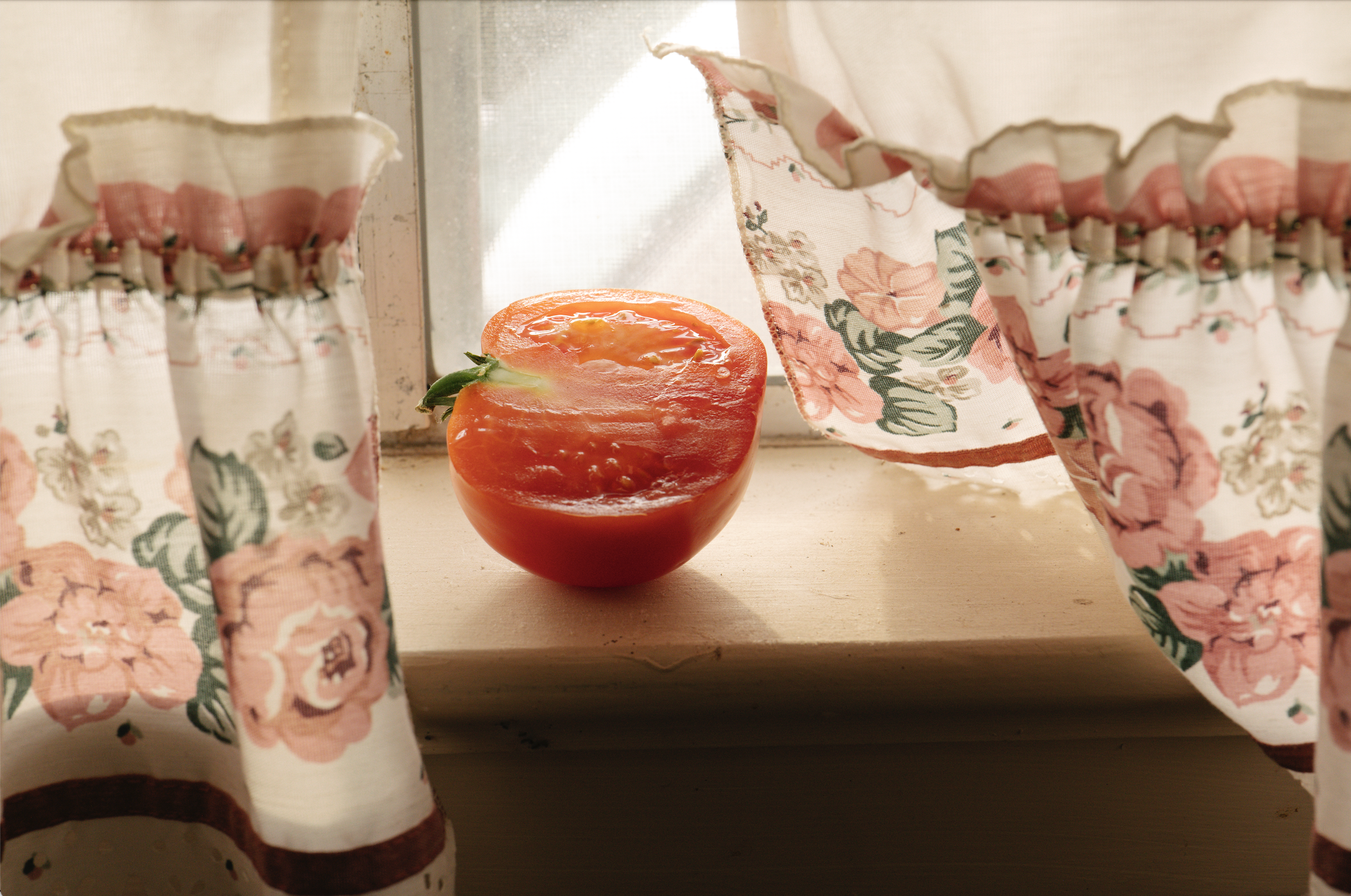
Casey Joiner, A Kind of Violence, 2024, Archival pigment print on juniper baryta rag paper, 36 x 24 in, 91.4 × 61 cm, Edition 1 of 5, plus 1 AP. Image courtesy of the artist.
The project, as Casey Joiner has written, “began long before [she] was aware of it.” She first started shooting what became the monograph Housekeeping in 2021 as her father, Tim, struggled with a long-term illness, then continued photographing through his untimely passing in early 2023. Joiner never captured Tim directly—in fact, nowhere in Housekeeping can we identify a face. People, when they appear, are cropped so their faces are out of frame, obscured by a blur, or hidden behind arms. Instead, Joiner created a portrait of Tim through traces of his presence—memorabilia from a movie he once acted in, a bright yellow casserole, flashes of the children he left behind. Photography, we come to realize, is both the ideal medium for processing loss and an unreliable interlocutor. “To tell the truth of grief, we sometimes have to make things up,” Joiner has said. “In accepting the limitations of my own memories, I fill those gaps with imagined scenes.”
In place of Joiner’s father, the element that binds the photographs together is Joiner’s family home in Baton Rouge. Originally belonging to her grandmother, the house was passed down to her father and, after his death, to Joiner herself. Many of the photographs in Housekeeping are captured in and around this house, and the architecture of the space helps to round out the image of her father. The project’s title, which was drawn from a Marilynne Robinson novel of the same name, positions the home as a space that requires consistent physical upkeep as well as spiritual maintenance to preserve the memories made therein. In one photograph, a remarkably tan living room is populated by an incongruous assortment of dark wood furniture—the kinds of pieces retained by relatives after the passing of a grandparent. Light filters in from an open window, reflecting off an ashtray that holds a single, unlit cigarette. Resting on a console is an oversized poster for Everybody's All-American, a 1988 sports drama in which Tim played a minor role. To the right, much smaller, a studio photograph of Tim and Casey’s brother as a baby. The stillness of the scene lends these objects a memorial function—the house itself, once lived in and vibrant, becomes a monument to Tim.
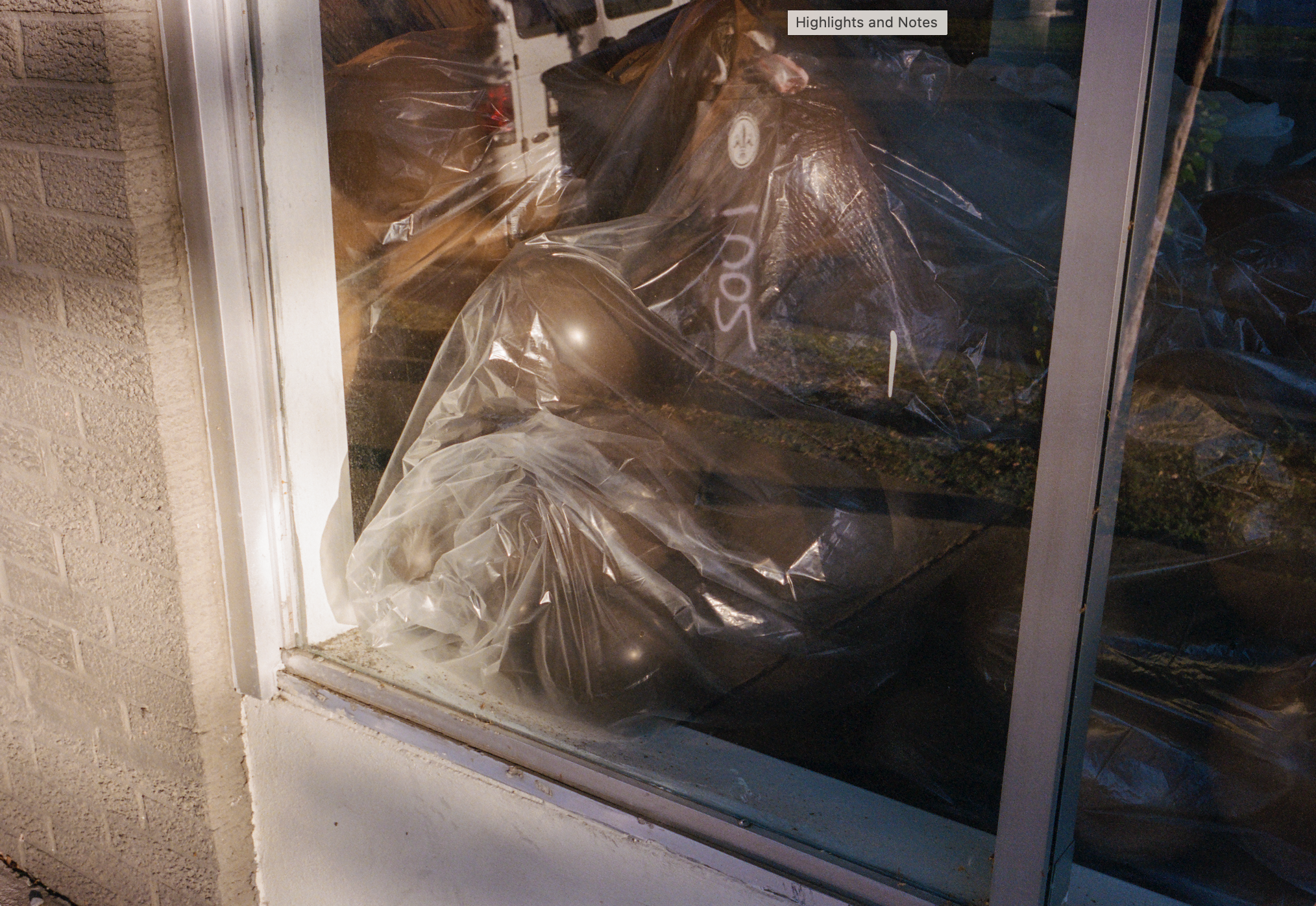
Casey Joiner, Come To Look And Not To Buy, 2023, Archival pigment print on juniper baryta rag paper, 24 x 36 in, Edition 1 of 5, plus 1 AP. Image courtesy of the artist.
In this act of returning to her ancestral home, Joiner aligns with a long tradition of image-makers in the American South for whom the act of repeated visitation to their inherited land forms a core part of their practice. The South’s most prolific returner was William Christenberry, who, for more than four decades between the 1960s and early 2000s, retreated every summer to his familial hometown of Hale County, Alabama. For most Americans, Hale County was immortalized by Let Us Now Praise Famous Men, Walker Evans’s 1941 photo essay on sharecroppers’ struggles during the Great Depression. Christenberry’s photographs, which meticulously catalogue the slow decline and sudden transformations of vernacular structures in and around the county, offer a counterpoint to this fossilized image of the region. For Christenberry, return was a means of freeing Hale County from its amber, an assertion that the ravages of time affect this place as much as they do any other.
Joiner’s recurrent trips to Baton Rouge serve a similar purpose. As with Christenberry, it is the act of return itself that reminds us of the constant evolution of this seemingly timeless place. The stillness that pervades the photographs in Housekeeping could be read as Joiner’s attempt to preserve her father’s world as it existed in the final moments of his life. Yet in many of the photographs, the stillness feels fragile. An unmade bed will only retain its imprint of a sleeper for a few hours, a swollen balloon deflates rapidly when left untouched, a looming storm can only threaten for so long before it dumps its contents and passes. Implicit in these photographs is the assertion that, the next time Joiner returns to Baton Rouge, the bed will be stripped, the balloons will be deflated, and the skies will be clear. True return is impossible. The familial home holds generations of memories, but it is not a relic; it breathes, lives, adapts.
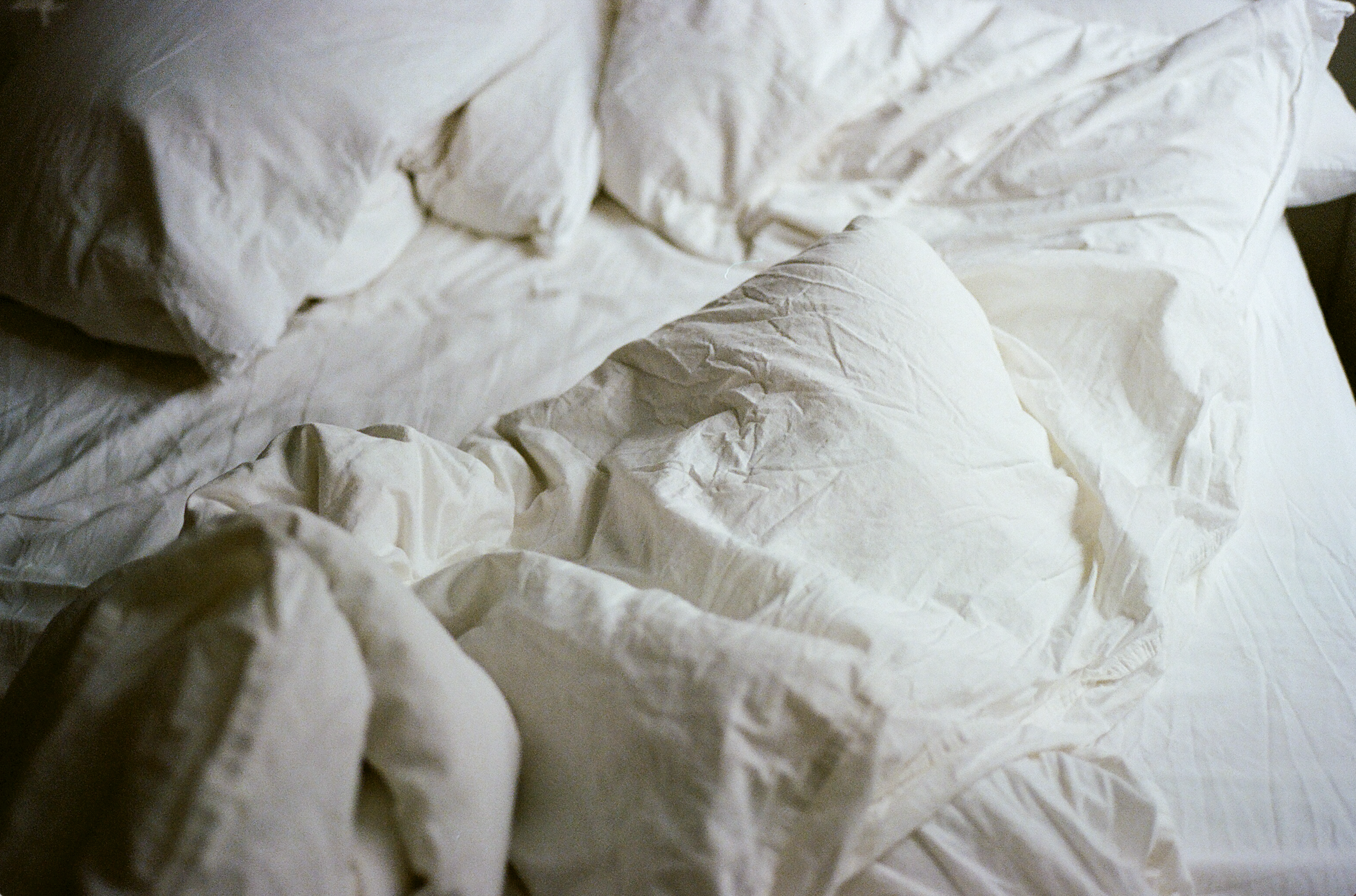
Casey Joiner, December To March, 2022, Archival pigment print on juniper baryta rag paper, 24 x 36 in, 61 × 91.4 cm, Edition 1 of 5, plus 1 AP. Image courtesy of the artist.
The clearest reminder of the drumbeat of time in Joiner’s project appears in the publication, which she released in early 2026. For the photo book, Joiner paralleled her photographs with vernacular images from her family’s archives. We see her grandparents standing outside their newly purchased home, Casey and Tim preparing for a birthday party in the dining room, Casey and her brother holding their breath in a pool. In capturing these echoes of her father, Joiner presents two parallel visions: a documentary accounting of the things he left behind, and a fictionalized narrative shaped by a child’s perception of her parent.
It’s an act of familial mythologisation, reminiscent of Emmet Gowin’s lifelong focus on the loved ones he photographed around their ancestral home in Danville, Virginia. Gowin saw the home as a stage on which his wife Edith, his daughter Nancy, and other members of the Danville clan took on a variety of ever-shifting roles. Watching the development of Housekeeping has meant witnessing the solidification of a very personal kind of folklore. Each image presents a slightly different version of the story of Tim, and of the Baton Rouge home, entwining imagined scenes with documentary precision to form a familial myth.
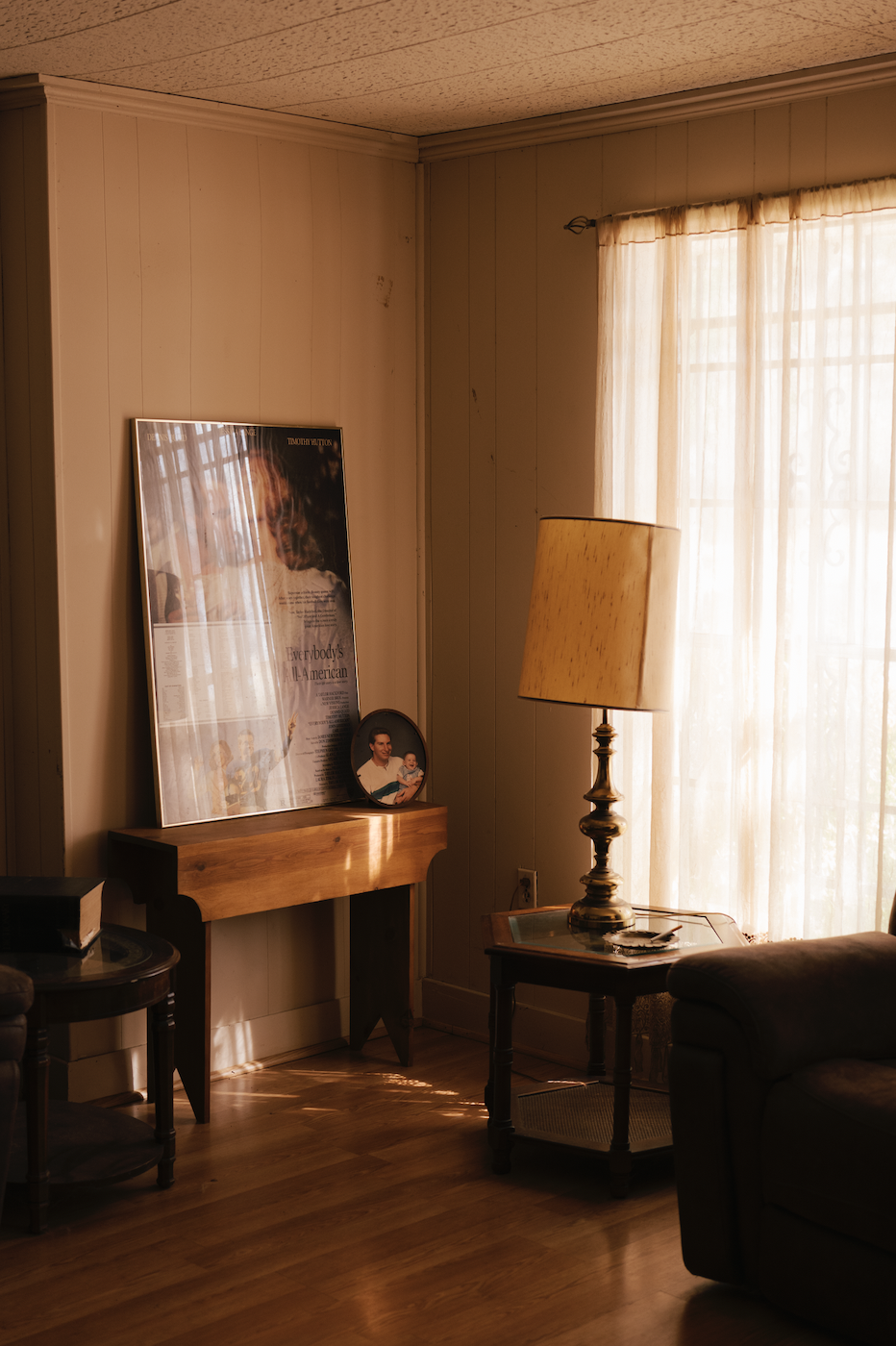
Casey Joiner, Housekeeping, 2024, Archival pigment print on juniper baryta rag paper, 60 x 40 in, 152.4 x 101.6 cm, Edition of 3, plus 1 AP. Image courtesy of the artist.